
Lutetium-177 Radiation Safety in Turkey: Hospital Stay, Precautions & Travel Clearance


“Will I be radioactive after treatment?”
It’s the question almost every patient asks as soon as Lutetium-177 PSMA therapy is proposed. The short answer is yes, temporarily, strict and well-established safety protocols make that radioactivity manageable from the first hour.
This article walks you through exactly what to expect during your hospital stay in Turkey, how radiation naturally clears your body, and when you can safely return to normal life and travel.
Read more about getting Lutetium-177 PSMA Therapy and PSMA PET Scan in Turkey
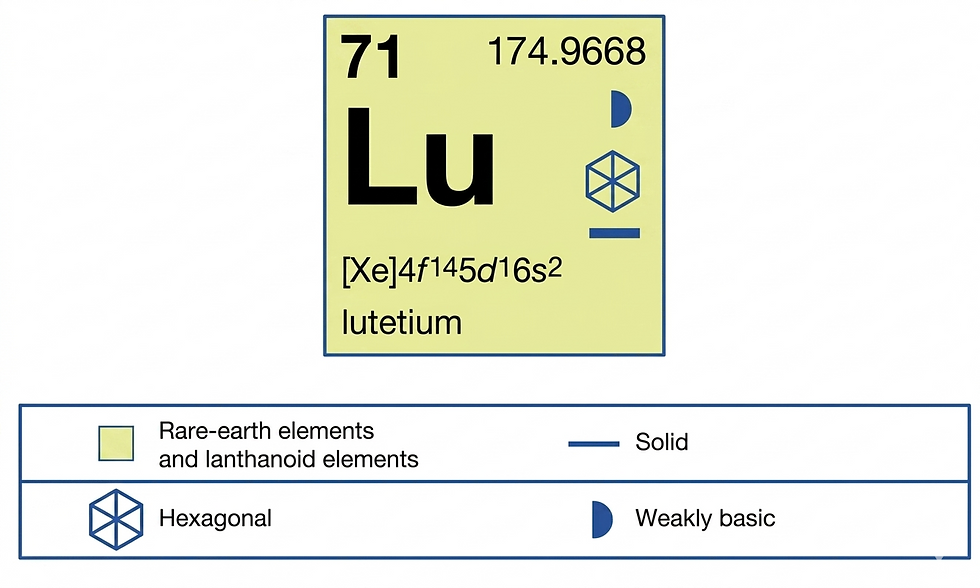
Understanding Lutetium-177 Radioactivity: The 6.7-Day Half-Life
The source of radiation in the treatment is the isotope Lutetium-177. This substance is chosen because it delivers a powerful, targeted dose of radiation to cancer cells over a very short distance, minimizing exposure to the rest of the body.
A key characteristic of Lutetium-177 is its physical half-life of approximately 6.7 days. This means that every 6.7 days, the amount of radioactive material in the body decreases by half.
It is important to understand that the body has two ways of eliminating the radiation: through the natural physical decay of the isotope and through biological clearance (mainly via urine). When these are combined, the “effective” half-life, the time it takes for the radiation level in the body to drop by half, is even shorter, often around 2 to 4 days. After several weeks, the radioactive signal becomes so low that it is effectively undetectable.
The Hospital Stay in a Radiation Room in Turkey:
To protect others from radiation exposure in the first and most critical hours, when the radiation dose rate from the patient is at its highest, treatment is administered in a specialized radiation room.
Regulations for Lutetium-177 Radiation Safety in Turkey, require an inpatient stay in a dedicated nuclear medicine ward for monitoring, until the radiation level drops to a safe threshold.
After the infusion, the medical staff immediately leaves the room to minimize their exposure. The room acts as a protective shield for everyone outside, effectively containing the radiation.
Communication and Comfort: The Safe Room Setup for Lutetium-177 Radiation Safety in Turkey
The term "isolation" can sound frightening, but in reality, the stay is designed to be calm, comfortable and connected. The patient will recover in a private care suite equipped with communication technology. The setup often includes:
Video Conferencing: A screen in the room allows for face-to-face conversations with the medical team without them needing to enter the room for routine checks.
Entertainment Systems: A television, internet access, and other personal devices are available.
Remote Monitoring: Vital signs can often be monitored from outside the room to ensure patient safety.
This ensures that the patient is never truly alone and can communicate any needs immediately, while the staff is protected from unnecessary radiation exposure.
How Long Is the Hospital Stay?
The length of the hospital stay varies by country and institutional protocol. The common goal is to monitor the patient until their body's radiation level falls below a threshold established by national regulators for public safety. The protocol for Lutetium-177 Radiation Safety in Turkey is as follows:
Standard Duration: A typical stay is 24 to 48 hours. During this time, the patient remains in the shielded room, and the medical team performs daily measurements to track the decline in radioactivity.
Discharge Measurement: Before discharge, a nuclear medicine technologist will measure the radiation dose rate from the patient. Discharge is authorized only when this measurement is below the safe limit, ensuring that family members and the public will not be exposed to significant radiation.
Post-Discharge: When Can Normal Activities Resume?
Once discharged, the patient is still slightly radioactive, so simple but important precautions continue at home. The key principle is "time and distance": minimize the time spent in close contact with others.
General Contact: For the first 2-3 days after treatment, it is recommended to maintain a distance of at least 1 meter (about 3 feet) from other people whenever possible and to limit close contact to less than a few hours per day.
Sleeping: The advice is to sleep in a separate bed from a partner for at least 3 days, and from children or pregnant individuals for a longer period.
Hygiene: Because the radioactive tracer is eliminated in urine, strict bathroom hygiene is critical for 3-7 days. This includes sitting down to urinate to prevent splashing, flushing the toilet twice after use, and washing hands thoroughly.
When Can a Patient Travel, Including Flying?
Traveling, especially by air, requires a specific certificate. Most hospitals will provide a medical document verifying that the patient has undergone a radionuclide therapy and is not a public radiation hazard. Airports and some border crossings have sensitive radiation detectors.
Flying: Flight clearance is typically provided 2 days after treatment. The medical certificate will state the treatment date, the isotope used, and that the patient is safe for travel. This certificate should be carried for several weeks after treatment to present to security personnel if an alarm is triggered.
This article is intended for patient education purposes. Always discuss your individual situation, treatment options, and any questions you have with your own medical team.
References
University of Chicago Medicine. Lutetium-177 PSMA therapy for prostate cancer: What you need to know. Accessed 2026.
177Lu-based radioligand therapy: A retrospective multicenter analysis to calculate the effective half-life and follow-up dose for the public. Journal of Visualized Experiments. 2026.
Landauer. Radiation Safety in a Clinical Setting: Best Practices for Lutetium-177 Pluvicto Treatments. February 4, 2026.
Aarhus University Hospital. Behandling af kræftsygdom fra blærehalskirtlen med Lutetium-177-PSMA - Strålehygiejneinformation. December 28, 2023.
Prostate Cancer Research Institute. Pluvicto Update for 2025. April 8, 2025.
https://pcri.org/news/2025/5/25/hetjsqur2s2tc707fvsu8fr6h9z0ge
UroToday. Lutetium-177 PSMA in Urology: Radiation Safety and Authorized User Considerations. October 6, 2023.
University Clinic for Radiology and Nuclear Medicine, Magdeburg. PSMA-RLT. March 18, 2025. Accessed 2026.
https://www.neolife.com.tr/fr/traitement-au-lutetium-177-psma/

Proficure is a patient navigation service based in Turkey, helping international patients arrange PSMA PET scans, Lutetium-177 therapy, and comprehensive prostate cancer care in JCI-accredited hospitals. Contact us to learn more about planning your PSMA PET Scan in Turkey. Our Services are free of charge for everyone.
Comments